
No G 169 , Street ARATA, Sangkat Khmounh, Khan Sen Sok Phnom Penh Cambodia.
a2zengineering.kh@gmail.com (+855) 67 39 3333 / (+855) 78 878 888
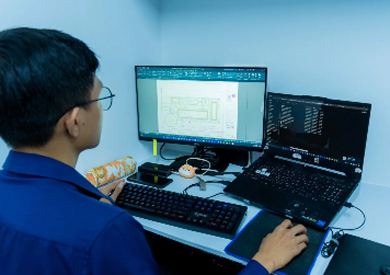
Heating, Ventilation, and Air Conditioning (HVAC) systems play a critical role in modern commercial buildings. Whether it is an office building, hotel, shopping mall, hospital, restaurant, or retail store, HVAC systems help maintain indoor comfort, improve air quality, and support efficient building operations.
A properly designed and maintained HVAC system not only creates a comfortable environment for occupants but also contributes to energy efficiency, operational reliability, and long-term cost savings.
HVAC stands for Heating, Ventilation, and Air Conditioning. These systems work together to regulate temperature, humidity, airflow, and indoor air quality throughout a building.
Heating — Heating systems maintain comfortable indoor temperatures during cooler periods and support occupant comfort.
Ventilation — Ventilation systems provide fresh air circulation while removing stale air, odors, and airborne contaminants.
Air Conditioning — Air conditioning systems cool indoor spaces and help regulate humidity levels to improve comfort and productivity.
1. Occupant Comfort — A comfortable indoor environment improves employee productivity, customer satisfaction, and overall building experience.
2. Indoor Air Quality — Ventilation systems help improve indoor air quality by introducing fresh air and reducing pollutants, dust, and airborne contaminants. Particularly important for hospitals, healthcare facilities, hotels, restaurants, and office buildings.
3. Energy Efficiency — Modern HVAC systems optimize energy consumption while maintaining comfort, reducing electricity costs and improving equipment performance.
4. Equipment Protection — Temperature-sensitive equipment such as servers, electrical systems, and medical devices often require controlled environments.
5. Regulatory Compliance — Proper HVAC design helps meet safety, ventilation, and environmental requirements.
Preventive maintenance improves efficiency, reduces breakdowns, lowers repair costs, extends equipment lifespan, and improves indoor air quality.
HVAC systems are essential for maintaining comfort, air quality, energy efficiency, and operational reliability in commercial buildings.

098 954 328
daikumep@gmail.com
#99, Street 76CC, Trapiang Thleoung 1 Village,
Chom Chao 1 Commune,
Pur Senchey District,
Phnom Penh
At present, Daiku MEP Solution operate with highly skilled and experienced in construction and management practices, with the ability to carry out industrial, residential and commercial building projects.