
No G 169 , Street ARATA, Sangkat Khmounh, Khan Sen Sok Phnom Penh Cambodia.
a2zengineering.kh@gmail.com (+855) 67 39 3333 / (+855) 78 878 888
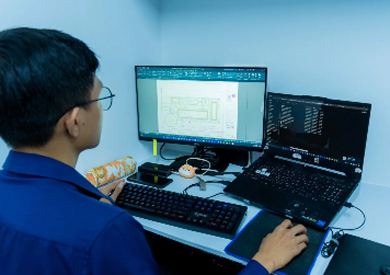
Electrical systems are one of the most critical components of any commercial building. A properly designed electrical system ensures safe, efficient, and reliable operations.
Power distribution systems distribute electricity from the utility source to equipment, lighting, and building systems. Typical components include Main Distribution Boards (MDB), Sub Distribution Boards (SDB), Switchgear, Circuit Breakers, Transformers, and Power Cabling.
Commercial buildings require interior lighting (office, retail, hotel, corridor, emergency) and exterior lighting (parking, facades, landscape, security).
Diesel generators, automatic transfer switches (ATS), and uninterruptible power supplies (UPS) help maintain critical operations during electrical failures.
Structured cabling, telephone systems, internet networks, CCTV, access control, public address, and intercom systems improve security and communication.
Electrical systems often integrate with fire detection, smoke detectors, emergency notification, and fire alarm control panels.
These protect people and equipment from electrical faults and lightning strikes — especially important for high-rise buildings, industrial facilities, and data centers.
Building Management Systems (BMS) integrate HVAC, lighting, energy monitoring, security, and fire alarm systems.
Electrical systems are essential for the safe and efficient operation of commercial buildings, from power distribution and lighting to backup power and automation.

098 954 328
daikumep@gmail.com
#99, Street 76CC, Trapiang Thleoung 1 Village,
Chom Chao 1 Commune,
Pur Senchey District,
Phnom Penh
At present, Daiku MEP Solution operate with highly skilled and experienced in construction and management practices, with the ability to carry out industrial, residential and commercial building projects.